Kauaʻi Now reported that the flyer Homestead Community Development Corporation put out this July used the pitch line: "Food trucks. Local flavor. Stronger together." It reads like a slogan. It's actually a pretty accurate description of what Anahola has become over the past year, and it points to a shift in how the town's weekly life is organized.
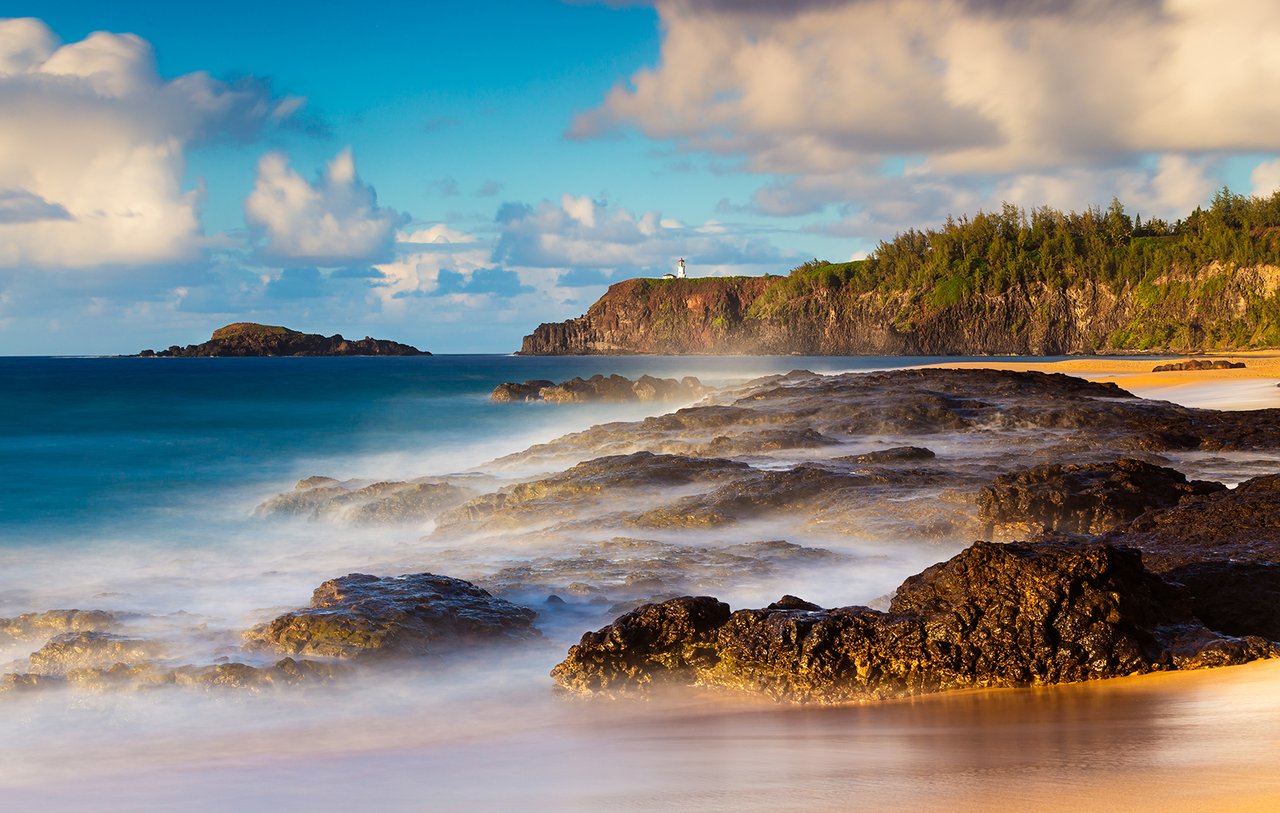
For years, the shorthand for Anahola was simple: it's the beach you pass on Kuhio Highway between Kapaʻa and the North Shore, worth a stop if the tide looks right. That description still works for a day-tripper. It no longer describes how the town itself keeps time. The actual weekly rhythm here now runs through a ten-acre homestead marketplace at 4523 Ioane Road, and it runs on its own calendar, one that has nothing to do with the highway traffic passing twenty feet away.
A marketplace that outgrew its shipping containers
Anahola Marketplace didn't start as a destination. Back in 2018, it was seven renovated shipping containers on Hawaiian Home Lands, rented out through the Micro-Enterprise Assistance Program at $250 to $450 a month, mostly to first-time business owners testing an idea with low overhead. Today the site describes itself as home to more than fifteen local micro-enterprises, still working out of a certified community kitchen and the same container structure, just a lot more of it.
That's not incremental growth. That's a small commercial district that quietly doubled in scale while most of the island was watching resort towns and highway corridors. The marketplace is governed by two nonprofits: Homestead Community Development Corporation and the Anahola Hawaiian Homestead Association.
Monday now belongs to the farmers market
The clearest sign that the marketplace has become the town's actual clock is the new Anahola Farmers Market, which launched June 1, 2026, and runs every Monday from 3 to 6 p.m. Monday afternoon is an unusual slot for a Kauai farmers market. Most of the island's weekly markets cluster on weekends or midweek mornings. Anahola picked the one afternoon when its own longtime anchor restaurant, Anahola Café, is closed.
That's not a scheduling accident so much as a gap the market fills. Confirmed vendors at launch included Source Farms, Oak & Oar, Thyme Culinary Market, By the Sea Organics, Colibri Alchemy, Reca Art, and Island Woodworking, selling everything from produce to handmade earrings and hairpins. Organizers described the goal as building a space that supports food sovereignty and small business income on the homestead, not just a stop for passersby heading to Kilauea or Princeville. A Monday market means the marketplace now has commercial activity on a day the rest of the town's food scene goes quiet.
The food truck court is filling in the rest of the week
If Monday belongs to the farmers market, the remaining days are increasingly claimed by a growing food truck court. HCDC's July announcement offered permanent power, parking, customer seating, and access to the certified kitchen to any vendor willing to set up shop along the marketplace's Kuhio Highway frontage. Confirmed trucks at the June farmers market launch included Paradise Pancakes, Mandala Foods, Chicken in a Barrel Express, Smoke Signalz Grill, Ethiopian Clean Food Service, and Aloha Matcha, which sources stone-milled matcha from Kyoto for its drinks.
That sits alongside businesses that were already anchoring the marketplace before this expansion. Anahola Café still runs the deluxe saimin locals compare favorably to Hamura's in Lihue, along with burgers and a pizza happy hour. D Manaku still handles bakery items from the same container-court setup. Kalalea Juice Hale still pours acai bowls and fresh coconut water a short walk away. The new food truck infrastructure doesn't replace any of that. It fills the gaps between the sit-down spots, which is exactly what a marketplace with more than fifteen tenants needs if it wants to feel occupied on any given weekday afternoon.
The calendar that actually runs the town
Pull up the marketplace's own event listings and a pattern shows up that doesn't match the tourist idea of Anahola at all. Recurring evenings and weekends are booked out months in advance with the same rotating slate:
| Recurring slot | What happens |
|---|---|
| Every Monday, 3-6 p.m. | Anahola Farmers Market |
| Select Thursday evenings, 6:30-9 p.m. | Live Music, Phat Music Laboratory |
| Second Saturday of the month, 7-10 p.m. | Line Dancing, Saturday Night Live |
| Third Saturday of the month, 5-9 p.m. | Live Music, Saturday Night Live |
| Last Saturday of the month, 5-9 p.m. | Last Saturday at AMP, craft and food vendor pop-up |
The line dancing slot traces back to Kauaʻi's own Jeffrey Callejo, who has led the open dance sessions at the marketplace's pavilion for years, per HCDC's own account of the property's growth. None of this shows up in a typical visitor's itinerary of Anahola. All of it shows up on the marketplace's public calendar, booked out through the fall.
The beach still keeps a separate clock
None of this replaces Anahola Beach Park, which still runs on its own older, slower rhythm. The park closes for maintenance every Thursday at 10 a.m. and reopens Friday at noon, a weekly reset that has nothing to do with the marketplace's Thursday music nights happening a few minutes down the road. Weekdays at the beach tend to be quiet, often empty before mid-morning. Weekends still belong to local families using the picnic huts under the ironwoods for cookouts and gatherings, a pattern that predates the marketplace's recent growth by generations. Camping is permitted with a county permit, and it stays one of the least expensive overnight options on the island.
The point isn't that one clock replaced the other. It's that Anahola now runs two of them at once, a beach-park rhythm that's been in place for decades and a marketplace rhythm that's maybe two years into its current form. The beach remains one part of what fills the calendar.
One September weekend sends the east side to the trails
There's a third clock too, and it only ticks once or twice a year. In January 2026, the nonprofit MTB Kauai revived Anahola's trail system for organized racing with the Anahola Epic, its first mountain bike event on the island. The club has grown to 163 members since, and it returns to Anahola on September 12, 2026, with the Anahola Max Enduro, five timed downhill runs open to spectators who want to hike in and cheer from the course.
The trails themselves stay closed to public riding outside organized events, a restriction tied to land stewardship work being done by ʻĀina Alliance, the Anahola-based nonprofit that manages access and safety planning on the same homestead acreage that hosts the marketplace. Race proceeds go directly back into that stewardship work, including wildfire mitigation and erosion control on land the community has been actively reclaiming from disuse.
The read for residents
Anahola hasn't stopped being a beach town. It's become a homestead town that runs its own weekly schedule out of a marketplace that didn't have fifteen tenants a decade ago, alongside a beach park that keeps its own separate maintenance cycle, and a trail system that only opens its gates on race weekends. Three clocks, running independently, none of them keyed to the highway drive-through most guides still describe.
If you've lived here through the growth of the marketplace, you've probably already adjusted your week around it without naming what happened. If you haven't, Monday at 3 p.m. is as good a place as any to notice the shift.
Real estate on the east side means understanding rhythms like this one, not just the highway mile markers. If you're weighing a purchase near Anahola, Kapaʻa, or anywhere else along Kauai's coastal corridor and want a read on how a neighborhood's actual daily life holds up against its reputation, Bruce Whale and the team can walk you through it. Schedule a Kauai Concierge Consultation whenever you're ready to talk specifics.
This article is general information, not legal, tax or financial advice. Consult a qualified professional about your situation.