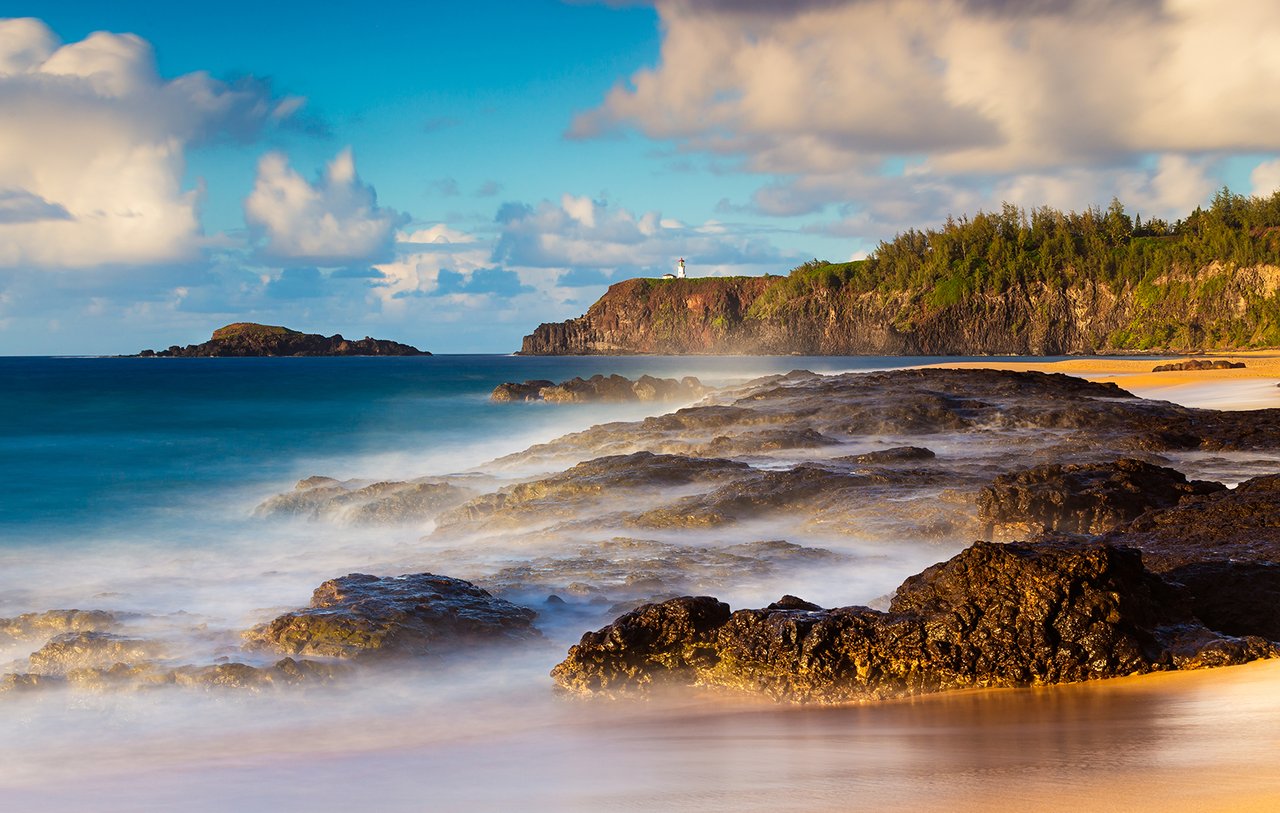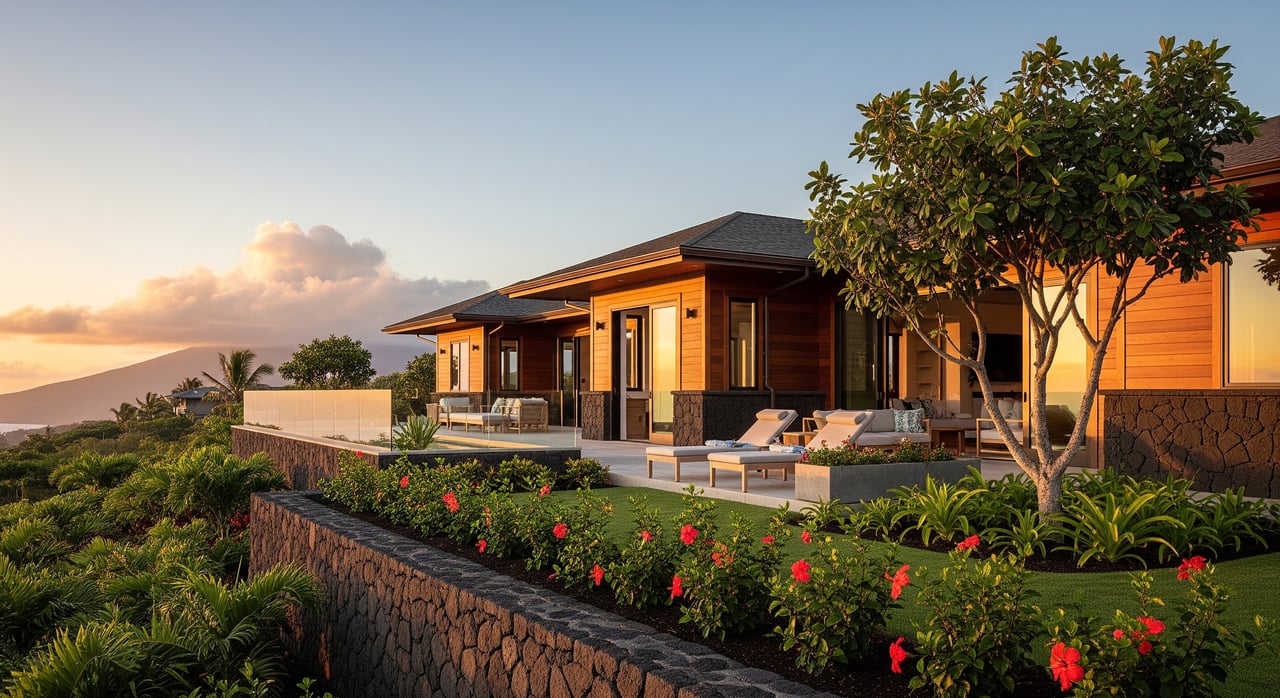
Imagine waking up to a sweep of green hills, a slice of blue ocean, and cool trade winds drifting through your lanai. If you love Kauai’s south side but want a quieter, more private setting than the coast, Kalaheo’s upcountry vibe might be your fit. In this guide, you’ll learn how Kalaheo’s elevation and ridgelines shape views and lifestyle, what to look for in a view home, and the practical checks to make before you buy. Let’s dive in.
Why Kalaheo feels upcountry
Kalaheo sits inland from the main south shore resort corridor, so it feels more pastoral and spacious than neighborhoods right on the water. Rolling hills, former plantation lands, and ridgelines create a layered landscape with homes that often sit higher on slopes. Because of elevation and exposure, Kalaheo tends to be cooler and can feel less humid than the coast. Microclimates are real here, so expect variations in wind, cloud cover, and rainfall from ridge to valley.
Weather also shapes your views. Afternoon clouds can soften or obscure ocean vistas at times, while ridge positions often deliver clearer sunsets and broad panoramas across the Pacific and nearby mountain ranges. Understanding how sun, wind, and cloud patterns move across a specific lot helps you set the right expectations.
View homes: what drives value
Great views in Kalaheo are not an accident. They come from how a home sits on the land and where it points.
Orientation and sunsets
If you want sunsets, focus on west or southwest ridgelines that open toward the Pacific. Morning people may prefer east-facing orientations that catch the early light and mountain vistas. Orientation also affects heat and glare, which can matter for comfort and energy use.
Topography and sight lines
Ridgelines and upper slopes are most likely to provide wide, unobstructed views. Lower or valley parcels can still have lovely outlooks, but they may be framed by terrain or vegetation. When you tour, walk the lot edges and imagine rooflines, trees, and future planting so you see what the view will feel like day to day.
Vegetation, future builds, and easements
Views can change. Trees grow, and nearby parcels can develop. Before you fall in love, check setback rules, any tree or vegetation protections, and neighbor building envelopes. Ask about recorded easements, access roads, and the placement of utility poles or transformers that could sit in a key sight line. These details usually show up in disclosures and plat maps.
Housing styles and lots
Single-family homes on medium to larger lots are common in Kalaheo. You’ll see plantation and ranch styles, modern single-level layouts, and newer custom builds designed to capture views from great rooms and lanais. Because development density is lower than on the coast, many properties emphasize privacy, mature landscaping, and outdoor living. Fruit trees and tropical gardens are common, and some parcels reflect the area’s agricultural past.
Lifestyle and daily living
Kalaheo blends rural calm with easy access to south shore fun.
Recreation close by
You are within a short drive of Poipu’s beaches, snorkeling, shops, and restaurants. The south shore’s golf courses are nearby and popular with residents. If you enjoy farm and nature experiences, the Kauai Coffee Company is close for tours and a rich sense of the island’s agricultural fabric. Being inland also gives you quicker access to mountain drives, ridge walks, and interior hikes within a reasonable driving window.
Everyday essentials
Kalaheo has a small commercial area for daily needs. For larger shopping, expanded dining, healthcare, and the island airport in Lihue, plan on a drive. If school proximity matters to you, check current options and routes, and verify hours and services as they can change.
Connectivity and utilities
Access is mostly via county roads, though some subdivisions include private roads. Always confirm who maintains them and whether an HOA or private road agreement applies. Internet and phone service vary by street. Fiber expansion and satellite options have improved connectivity, but you should verify available providers and tested speeds at the specific address. Water and sewer solutions also vary. Some homes connect to County systems, while others use private catchment for potable water and septic or cesspools. Kauai County and the Hawaii Department of Health have ongoing regulations and upgrade requirements, so confirm what applies to the property you are considering.
Natural hazards and insurance basics
Being inland reduces tsunami exposure compared to the shoreline, but you still want to review hazard maps for your exact parcel. Flood zones, steep-slope or landslide areas, and wildfire risk can influence both buildability and insurance. Kauai is exposed to tropical storms and hurricanes, so building codes and insurance expectations reflect that. Order site-specific hazard reports, review FEMA and County resources, and request quotes for wind and flood coverage early in your process.
Who buys in Kalaheo
Kalaheo attracts a mix of buyers who value privacy, space, and views without living in the center of a resort area.
- Second-home and seasonal buyers seeking a quiet base with strong view potential while staying close to Poipu amenities.
- Retirees who like cooler temperatures, single-level options, and a lower tourism intensity.
- Local families who value larger lots and a community setting away from the busiest corridors.
- Remote workers who appreciate privacy and space but require reliable internet and cell service verified at the address.
Motivations are consistent: bigger lots, view and sunset potential at a different price point than beachfront, and an upcountry aesthetic with room for gardening, fruit trees, or small coffee plantings. Kalaheo also delivers quick reach to both rural experiences and resort conveniences, which is rare on a small island.
How to evaluate a Kalaheo view property
A clear process protects your view and supports a smooth closing. Use this practical checklist as you compare homes.
Site and view confirmation
- Visit at different times of day, including sunrise and sunset, and in varying weather if possible.
- Walk the lot. Stand where future seating, dining, or pool areas would be.
- Obtain and review topography and parcel maps to understand slopes and build envelopes.
- Ask for any recorded easements and confirm utility pole or transformer placements that could affect sight lines.
Utilities and infrastructure
- Confirm water source: County water or private catchment.
- Confirm wastewater system: County sewer or septic/cesspool, and ask about compliance or upgrade needs.
- Verify electrical service and the presence or relocation potential of overhead lines.
- Check internet and cellular providers and tested speeds at the exact address.
Regulatory and hazard review
- Verify County zoning, building setbacks, height limits, and any special district restrictions that could affect additions or view protection.
- Review FEMA flood maps, tsunami inundation maps, and County hazard layers for steep slope or landslide.
- Confirm septic or cesspool status with the Hawaii Department of Health and any required upgrades.
Neighborhood and lifestyle fit
- Map your regular drives to groceries, medical services, schools, golf, and Poipu beaches.
- Note seasonal traffic or tourism peaks and how they might affect your routines.
- Consider nearby agricultural operations and typical noise patterns during harvest or maintenance seasons.
Market and financial checks
- Review current comparable sales in Kalaheo and on the coast to understand the view-for-value tradeoff.
- Check County property tax rates and assessments for the parcel.
- Request insurance quotes for wind and flood coverage and inquire about any island-specific surcharges.
Upcountry vs coast: what you trade
Kalaheo often offers larger lots and strong view potential at a different price point than oceanfront or near-shore homes. The upcountry setting brings cooler air and a greener landscape, but you may see more cloud variation, especially in the afternoons. You will drive to the beach, shops, and the airport, so build that into your routine. In return, you usually gain privacy, room to garden, and a setting that feels more like countryside than resort.
Work with advisors who know the land
Upcountry buying is about more than pretty photos. It is about siting, orientation, and the small details that keep your view intact. Partner with a team that pairs neighborhood knowledge with technical design and permitting insight. With decades of local brokerage experience and in-house architectural and regulatory expertise, we help you evaluate topography, confirm utilities, interpret zoning, and plan improvements that fit both the land and your lifestyle.
Ready to explore Kalaheo with confidence? Schedule a private consult with Malia Powers and Bruce Whale to map your options and design the right path forward.
FAQs
What does “upcountry” Kalaheo mean on Kauai’s south side?
- Kalaheo sits inland on rolling hills and ridgelines, offering cooler temperatures, more vegetation, and a quieter feel than the immediate coastal resort zones.
How do I confirm a Kalaheo home’s view before buying?
- Visit the property at multiple times of day, review topography and parcel maps, check neighbor building envelopes and permits, and note any poles, easements, or vegetation that could affect sight lines.
Are utilities in Kalaheo always on County systems?
- No. Some homes have County water and sewer, while others rely on private catchment and septic or cesspools, so verify systems and any upgrade requirements for the exact address.
How reliable is internet service in Kalaheo’s ridgeline areas?
- Availability and speeds vary by street; fiber and satellite options have improved coverage, but you should confirm providers and tested speeds at the specific property.
Does living inland reduce natural hazard risk in Kalaheo?
- Inland locations reduce tsunami exposure compared to the shoreline, but you should still review FEMA flood maps and County hazard layers for flood, steep-slope, landslide, and wildfire considerations.
Are there private roads or HOAs to consider in Kalaheo?
- Some subdivisions use private roads or have HOAs, so confirm maintenance responsibilities, fees, and any rules that could affect property use or improvements.
Who typically buys Kalaheo view homes and why?
- Second-home buyers, retirees, local families, and remote workers are common, drawn by larger lots, privacy, cooler temperatures, and strong view potential close to south shore amenities.