Trying to choose between Kōloa town and resort living in Poʻipū? It can feel like a small geographic gap with a very different day-to-day experience. If you are buying on Kauaʻi’s south shore, the right fit often comes down to how you want to spend an ordinary Tuesday, not just a vacation weekend. This guide will help you compare lifestyle, convenience, amenities, and long-term fit so you can decide with more confidence. Let’s dive in.
Kōloa and Poʻipū Serve Different Lifestyles
Kōloa town and nearby Poʻipū sit close together on Kauaʻi’s south shore, but they function differently. County planning documents describe Kōloa as the historic plantation and western town core, with pedestrian walkways and resident services like grocery stores, the post office, the neighborhood center, shops, restaurants, and taverns. The same county planning documents describe Poʻipū as a beach resort and residential community, with about 40% of Kauaʻi’s resort accommodations.
That distinction matters when you are choosing where to buy. One area centers daily convenience and small-town rhythm. The other centers resort amenities, beach access, and a more vacation-like setting.
Kōloa is also small in scale. The 2020 Census population for the Kōloa census-designated place was 2,231, which reinforces the intimate, local feel many buyers notice right away.
Why Kōloa Town Appeals to Buyers
Historic character stands out
If you want a place that feels rooted in Kauaʻi’s history, Kōloa has a strong identity. County planning documents describe a town core preserved through plantation and western architecture, historic churches, and other historic buildings. Old Kōloa Town also describes itself as the original plantation-era shopping village in historic Kōloa, with restored plantation-era buildings and locally serving shops and restaurants.
That historic backdrop is not just aesthetic. The National Park Service identifies the Old Sugar Mill of Kōloa as the first successful large-scale sugar manufacturing enterprise in the Hawaiian Islands and part of the Kōloa Heritage Trail. For some buyers, that sense of place adds real meaning to everyday life.
Daily errands may feel easier
Kōloa’s appeal is often practical. County planning documents point to pedestrian walkways that connect parking pockets and resident services in the town core. Transportation priorities also include sidewalks on Kōloa Road and a separated bike and pedestrian path on Hapa Road.
In simple terms, Kōloa offers the kind of walkability that helps with day-to-day routines. It is not urban density, but it can support a more connected town-center lifestyle.
The rhythm feels more local
Based on the county’s description of services and layout, Kōloa often fits buyers who want a more local pace. You may prefer this setting if you picture quick errands, casual meals nearby, and a historic small-town feel rather than a resort campus atmosphere.
That can be especially appealing if you are planning to live on Kauaʻi full time or spend long stretches on island. For many buyers, comfort comes from how naturally a place fits normal life.
Why Resort Living in Poʻipū Appeals to Buyers
Beach access is a major draw
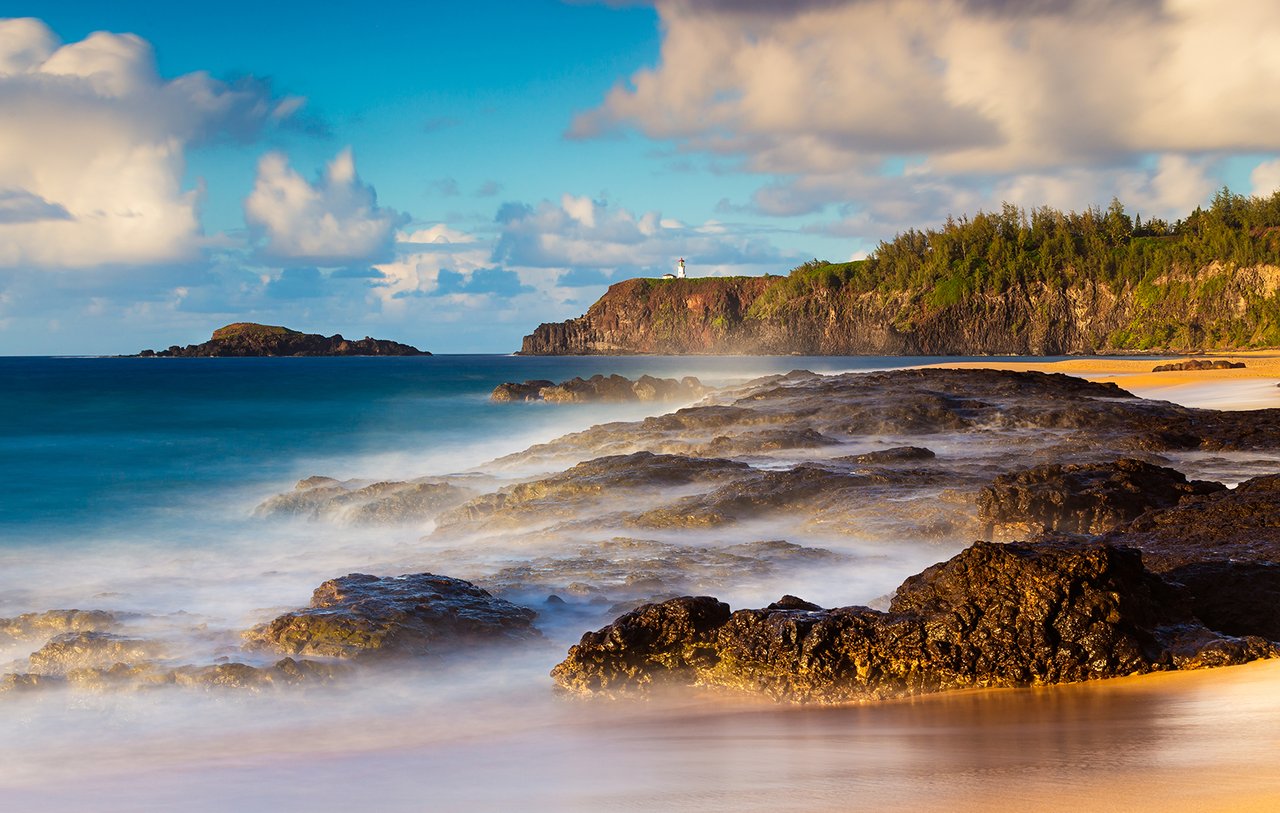
Poʻipū is the south shore resort zone, and that shapes the experience. The Poipu Beach Resort Association describes the area as including beaches, cultural sites, trails, local markets and restaurants, along with hotels, resorts, vacation rentals, and residential homes.
If your ideal home base starts with being close to the water, Poʻipū has a strong case. Nearby Poʻipū Beach Park includes parking, a lifeguard seven days a week, restrooms, showers, picnic tables, a wading area, snorkeling, bodyboarding, surfing, and seasonal whale viewing.
Amenities can simplify ownership
Resort-style living in Poʻipū often means amenity-rich communities. Poipu Kai is described as a resort community bordered by Poipu Beach and Shipwreck Beach, with greenbelts, walking paths, a community pool, hot tub, and tennis courts. GoHawaii also describes it as a 70-acre resort community with seven condo developments, pools, a tennis club, and garden paths.
Other south shore resort properties show the same pattern. Kiahuna Plantation Resort includes condominium apartments with full kitchens, lanais, plantation-style architecture, beach services, and access to pool and tennis amenities. Marriott’s Waiohai Beach Club offers two-bedroom villas with full kitchens, separate living and dining areas, washers and dryers, and three outdoor pools. The Point at Poipu includes two-bedroom accommodations, full kitchens, beach access, concierge services, a fitness center, a pool, and hot tubs.
Koloa Landing Resort adds another version of that resort experience, with 25 acres, spa and dining options, and multiple pool environments, including a large main pool, lagoon pool, and adults-only pools. If you want your home to feel like a retreat from the moment you arrive, these kinds of features may matter a lot.
The lock-and-leave lifestyle can be attractive
For many second-home buyers, ease is a big part of the decision. Based on the resort and vacation-oriented property types in Poʻipū, this area often suits buyers who want a lock-and-leave setup, beach access, and association-managed amenities.
That does not mean every property is the same. It does mean the overall housing pattern leans more toward convenience, recreation, and a stay-cation feel.
Climate Adds to Poʻipū’s Appeal
South shore weather is part of the lifestyle equation too. The Poipu Beach Resort Association says daytime temperatures are typically in the mid-70s to low 80s in winter and the upper 80s in summer, with brief showers and trade winds.
For buyers who want consistent outdoor living, that can support the resort appeal. Time on the lanai, beach walks, and pool days often become part of the normal routine.
How to Compare Kōloa Town vs Resort Living
If you are deciding between the two, it helps to focus on your real habits rather than the image of ownership. Ask yourself where you want your daily center of gravity to be.
Choose Kōloa town if you value:
- A historic small-town setting
- Convenient access to resident services
- Errands and short trips on foot in the town core
- A more local day-to-day rhythm
- A home base that feels connected to Kōloa’s history
Choose resort living in Poʻipū if you value:
- Easy beach access
- Pools, tennis, spa features, or fitness amenities
- Condo or villa-style layouts with amenity packages
- A vacation-like environment
- A lock-and-leave ownership style
The Best Choice Depends on Your Use Pattern
County planning priorities show that both Kōloa and Poʻipū continue to evolve with pedestrian improvements. In Kōloa, priorities include sidewalks and bike and pedestrian paths. In Poʻipū, priorities include bike and pedestrian paths, coastal pedestrian access easements, and parking management that encourages walking.
So the question is not whether one area has walkability improvements and the other does not. The better question is what kind of environment you want those improvements to support. In Kōloa, the center is town life. In Poʻipū, the center is resort and coastal living.
Think Beyond the First Impression
Many buyers are initially drawn to the obvious appeal of one setting. Kōloa can win you over with character and convenience. Poʻipū can win you over with amenities and beach access.
But the smartest decision usually comes from looking at how you plan to use the property over time. Are you buying for full-time living, long seasonal stays, frequent visits, or a lifestyle that prioritizes recreation from day one? That answer often points clearly toward one side of the choice.
Why Local Guidance Matters
On Kauaʻi’s south shore, small geographic differences can create very different ownership experiences. A property that feels perfect for a second-home buyer may not be the best fit for someone planning a full-time move. In the same way, a buyer focused on convenience and town character may see value differently than someone prioritizing resort amenities and low-maintenance enjoyment.
That is where experienced local guidance can help. When you understand not just the map, but also the lifestyle pattern behind each area, your decision becomes much clearer.
If you are weighing Kōloa town against resort living in Poʻipū, Malia Powers and Bruce Whale can help you evaluate the lifestyle fit, property options, and long-term goals with the kind of local perspective that makes a real difference.
FAQs
What is the main difference between Kōloa town and Poʻipū resort living?
- Kōloa town is centered on historic character, local services, and a town-core lifestyle, while Poʻipū is centered on beach access, resort accommodations, and amenity-rich residential communities.
Is Kōloa town walkable for daily errands?
- County planning documents describe pedestrian walkways connecting parking pockets and resident services in Kōloa’s town core, which supports a more convenient errands-on-foot lifestyle.
What kinds of amenities are common in Poʻipū resort communities?
- Resort communities in Poʻipū often include features like pools, hot tubs, tennis courts, walking paths, fitness amenities, beach access, and condo or villa layouts with full kitchens.
Is Kōloa better for full-time living on Kauaʻi’s south shore?
- Kōloa may appeal more to buyers who want a local rhythm, daily convenience, and a historic small-town setting, especially if they plan to spend substantial time on island.
Is Poʻipū better for a second home on Kauaʻi?
- Poʻipū often appeals to second-home buyers and frequent visitors who want beach access, resort amenities, and a more lock-and-leave ownership style.
How big is Kōloa?
- The 2020 Census population for the Kōloa census-designated place was 2,231, which reflects its small-town scale.
Does Poʻipū have a different feel from Kōloa even though they are close together?
- Yes. Even though the two areas are adjacent, Kōloa generally feels more like a historic town center, while Poʻipū feels more like a coastal resort and residential community.