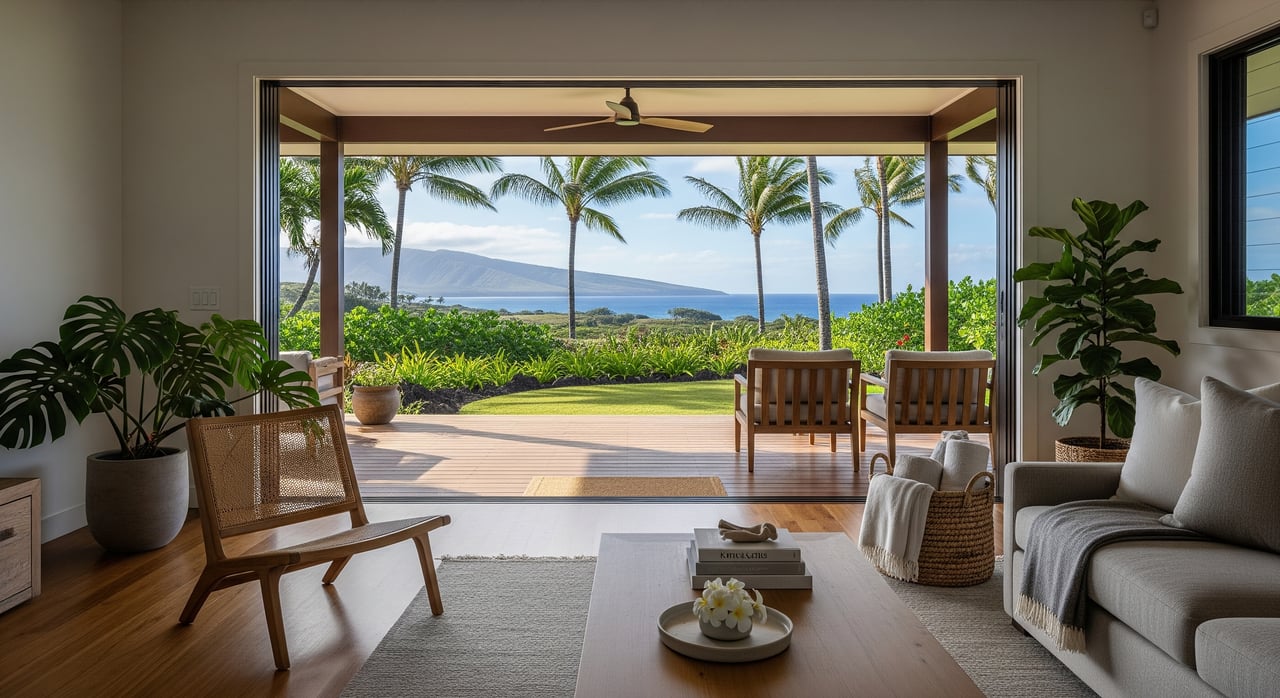
Thinking about listing your Kapaʻa home but not sure where to start? Preparing a property on Kauaʻi’s east side has its own rhythm, from humid weather and salt air to longer contractor lead times. With a clear plan, you can minimize stress, elevate presentation, and launch with confidence. This 60‑day guide walks you through a practical, week‑by‑week process tailored to Kapaʻa’s climate, buyer expectations, and market pace. Let’s dive in.
Why Kapaʻa prep is different
Kapaʻa’s tropical humidity and frequent rain can speed up mildew growth and make landscaping regrow quickly. You will want to time outdoor projects around weather windows and leave buffers for storms, especially during hurricane season from June through November.
Salt air can corrode hardware, railings, screens, and light fixtures. Small exterior touchups and hardware refreshes often make a big impact in photos and showings.
Kauaʻi’s smaller labor pool and shipping realities can extend lead times for trades and materials. Booking vendors early and sequencing tasks well helps you avoid costly delays.
Buyers in Kapaʻa value indoor and outdoor flow, clean lanai and deck spaces, and low‑maintenance tropical landscaping. Turnkey, odor‑free interiors are essential.
Insurance, flood zone, shoreline, and short‑term rental rules often shape buyer questions. Gather documentation early and verify permit history if prior renovations or rental use apply.
Your 60‑day plan
Weeks 1–2: Assess and schedule
Start with a top‑to‑bottom walkthrough. Note roof or ceiling stains, wall cracks, peeling paint, loose railings or steps, screen damage, clogged gutters, and landscaping encroachment.
- Order inspections: general home inspection if you prefer a pre‑inspection, termite and wood‑destroying organism inspection, and pool inspection if applicable.
- Gather paperwork: utility and maintenance records, warranties and manuals, permits and HOA documents if relevant.
- Book vendors: licensed handyman or contractor, electrician and plumber, roofer, landscaper for ongoing maintenance, pest control, mold remediation if needed, professional cleaners, staging, and a photographer. Reserve a licensed drone operator if using aerials.
- Prioritize safety and function: fix leaks, address moisture and mold, secure deck railings and exterior stairs, verify GFCIs and smoke/CO detectors, and resolve electrical hazards.
Scheduling tip: Get written quotes and start dates, and allow buffer time for weather or shipping delays. Coordinate tasks so repairs happen before paint and cleaning.
Weeks 3–4: Exterior and curb appeal
Focus on first impressions and weather‑exposed items. Choose clear forecast windows for outdoor work.
- Exterior care: pressure wash siding, lanai, driveway, and walkways. Touch up paint on entry doors, trim, and railings. Replace rusted or weather‑worn hardware.
- Windows and screens: repair or replace screens and clean both interior and exterior glass for crisp photos.
- Landscaping: trim vegetation, remove dead plants, tidy beds, edge paths, and refresh potted, salt‑tolerant plants near the entry. Confirm irrigation works and repair broken sprinklers.
- Systems and roofline: service A/C and fans, flush water heater if needed, clean gutters and downspouts, and secure or replace loose flashing.
- Pest prevention: perform treatment for ants, roaches, and termites if needed, and keep records of any clearance letters.
Weeks 5–6: Interior refresh and declutter
Create a calm, neutral interior that highlights space, light, and flow.
- Declutter and depersonalize: remove extra furniture, store personal photos and knickknacks, and thin closets. Use a storage unit or packout services if needed.
- Cosmetic updates: patch and paint scuffed walls in neutral hues suited to tropical light. Update dated light fixtures, switch plates, and outlet covers. Keep bulbs consistent in color temperature.
- Kitchens and baths: re‑caulk tubs and showers, tighten cabinet hardware, regrout tile where needed, and touch up around sinks and counters.
- Odor and air quality: address any mildew or pet odors at the source. Deep clean carpets and rugs or consider refinishing floors if appropriate. Plan a final deep clean after repairs.
Week 7: Stage and photo prep
Stage to emphasize indoor and outdoor living, views, and usable square footage.
- Staging: use fewer, larger accessories for a clean look. Add fresh linens and neutral accents. Stage lanais and outdoor dining to show lifestyle.
- Final checklist: ensure all bulbs work, thermostat is set for comfort, trash is removed, beds are made, and exterior areas are swept. Prepare gate codes, keys, and alarm instructions.
- Photography: confirm the shoot date with contingency for weather. Plan for twilight photos if your lanai or exterior lighting will shine at dusk.
Week 8: Photography, launch, and showings
Bring the plan together with polished marketing and clear showing logistics.
- Photography and media: complete the photo shoot, virtual tour, and drone imagery as appropriate. Add floorplans with measurements for remote buyers.
- Listing launch: review and approve MLS remarks, photos, and disclosures. Verify all documents are ready to upload.
- Showing strategy: set showing rules for pets, parking, lockbox, and alarms. For occupied or partially packed homes, arrange on‑call cleaners for quick touchups.
- Contingency: maintain a buffer for last‑minute fixes or weather‑related rescheduling.
Smart logistics on Kauaʻi
Choose vendors with local experience. Confirm licensing and insurance for contractors, electricians, plumbers, roofers, pest and WDO inspectors, mold specialists, cleaners, stagers, and photographers. For aerials, hire a licensed drone operator familiar with Kauaʻi’s airspace and shoreline considerations.
Book critical trades in Weeks 1–2 and get timelines in writing. Sequence tasks to prevent rework, like painting after repairs and mold remediation.
Confirm permits for past renovations and verify zoning or HOA rules early. If your property has a history of short‑term rental use, check current county rules and status before marketing any rental potential.
If you prefer a high‑touch experience, consider a turnkey concierge approach with coordinated cleaning, staging, packout and storage, landscape refresh, handyman repairs, pest treatment, pro photography, and closing coordination. This can be especially helpful for relocators who need utility transfer support or light oversight while the home is vacant.
Budget wisely by prioritizing safety, function, and high‑impact presentation. Expect higher labor and material costs than many mainland markets and allow for shipping lead times.
Photos, staging, and showings that sell
Time exterior photos for late morning to mid‑afternoon based on the home’s orientation, or at golden hour to highlight lanai lighting and views. Avoid shoots right after heavy rain if surfaces are wet, unless your photographer recommends otherwise.
Prepare your home with a simple photo checklist:
- Exterior: remove cars from driveway, sweep lanais, set a clean table scene outdoors, and hide hoses and pet items.
- Interior: make beds, clear counters, clean outlets and switch plates, adjust window coverings for even light, match bulb temperature, and hide trash bins and personal toiletries.
- Scale and flow: remove small furniture that blocks sight lines and open doors between main living areas.
- Odors: fully neutralize cooking, pet, and mildew smells before the shoot.
Choose light staging if you plan to stay in the home during the process. For vacant properties, full staging can create strong lifestyle images and make outdoor living areas shine. Select durable, salt‑air‑resistant pieces for the lanai and deck.
Support remote buyers with floorplans and 3D tours. Clear labels and accurate measurements help out‑of‑state shoppers engage with your listing.
Documents buyers will ask for
Assemble a complete packet to streamline offers and due diligence. Having these ready builds trust and reduces back‑and‑forth.
- Insurance history and recent repair records, including permits where applicable
- Termite and WDO inspection reports and any clearance letters
- Appliance manuals and warranties, plus maintenance records for A/C, solar, and water heaters
- HOA documents if applicable, including CC&Rs, financials, minutes, and assessments
- Permits or records for additions and renovations, plus required state and county disclosures
- Title information, survey if available, and recent property tax bills
Be prepared for common questions about flood or tsunami risk, FEMA flood zones, insurance premiums and carrier history, shoreline or erosion considerations if coastal, and the legality and permit history of any short‑term rental use. Clarify utilities, including sewer versus septic and water source.
Ready to list with confidence
A thoughtful Kapaʻa prep plan does more than tidy up. It answers buyer concerns, prevents last‑minute surprises, and showcases the island lifestyle your property offers. If you want a white‑glove process with local expertise, architectural and permitting insight, and premium marketing from first consult to closing, connect with Malia Powers and Bruce Whale.
FAQs
How does Kapaʻa’s humidity affect home prep?
- Humidity can accelerate mildew and odor, so schedule deep cleaning, mold remediation if needed, and odor control early, and plan exterior work around clear weather windows.
What should I do first in a 60‑day timeline?
- In Weeks 1–2, order inspections, gather key documents, book vendors, and address safety and system issues like leaks, GFCIs, railings, and electrical hazards.
When is the best time to photograph my home?
- Late morning to mid‑afternoon often works well, and twilight can be great for lanai and lighting; always hold an alternate date in case of rain or storms.
Do I need a drone photographer for Kapaʻa listings?
- Aerials can highlight views and proximity to coastline; if used, hire a licensed drone operator familiar with Kauaʻi airspace and shoreline considerations.
What documents help buyers feel confident?
- Provide insurance and repair histories, WDO reports, permits for renovations, HOA documents if relevant, appliance warranties, title info, and any available survey.
How should I handle short‑term rental questions?
- Verify current county rules and the property’s permit status before marketing rental potential, and be ready to share documentation of any approvals or denials.