If you are drawn to Princeville, chances are you are not just shopping for a home. You are looking for a setting that feels memorable every day, whether that means fairway views, ocean bluffs, or a home base on Kauai’s North Shore with both privacy and convenience. In Princeville, those choices come with real differences in lifestyle, upkeep, and long-term value. This guide will help you understand how golf course and bluffside living compare so you can focus your search with more confidence. Let’s dive in.
What makes Princeville distinct
Princeville at Hanalei is not a patchwork of unrelated neighborhoods. It is a planned resort-residential community of about 1,000 acres with single-family homes, condominiums, timeshare resorts, and hotel properties.
That planned structure matters when you buy here. Princeville has a strong visual identity, shared open-space patterns, and design oversight intended to help preserve the community’s appearance, natural beauty, and property values. Exterior changes require approval through the community design review process, so buyers should expect more guidance and more consistency than in a typical subdivision.
Kauaʻi County also identifies Princeville as the North Shore’s principal planned resort area. The town center, paths, and concentration of resort and multi-unit development all contribute to a community that feels more organized and more self-contained than many other areas on Kauai.
Why Princeville views matter
A big part of Princeville’s appeal is the way it was planned around open views and controlled growth. According to Kauaʻi County, residences were sited away from the beach and out of floodplains, building heights are limited to 25 feet, and public views of open areas and natural features are preserved.
For you as a buyer, that translates into a place where scenery is not just a bonus. It is part of the community design. Whether you are considering a golf-front property or a bluffside home, the value story often starts with the quality of the view corridor and how protected that setting may feel over time.
Golf course living in Princeville
The Makai Course setting
Princeville’s best-known golf backdrop is the Princeville Makai Golf Club. The Makai Course, designed by Robert Trent Jones Jr., opened in 1971 and was redesigned in 2009. It winds through lakes, native woodlands, and coastline, with views that include Bali Hai and Hanalei Bay.
The course includes six oceanfront holes and a signature cliffside 7th hole. Even if you do not play golf often, that layout shapes the experience of nearby homes. It creates broad sightlines, open green space, and a more resort-like feeling than many traditional residential streets.
What daily life feels like near the fairways
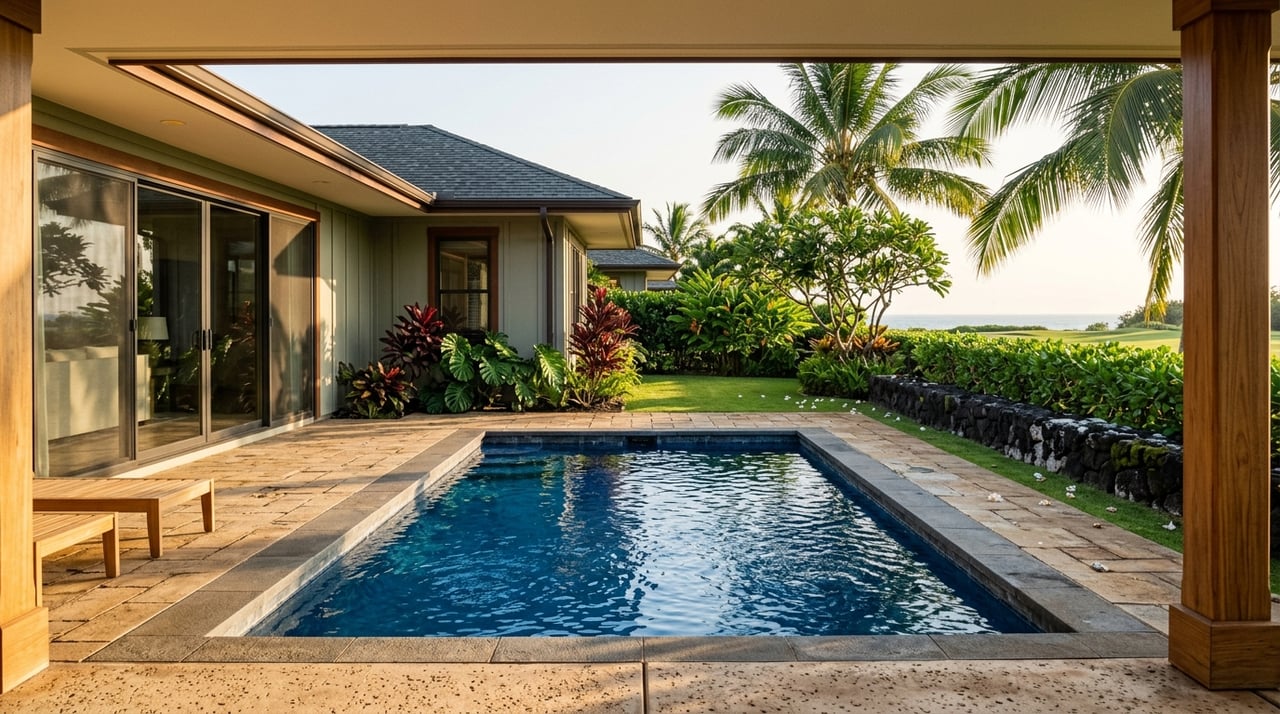
Golf course living in Princeville is often less about the sport itself and more about visual openness. A fairway-front home may offer fewer neighboring structures in your direct line of sight and a stronger sense of breathing room.
In many cases, that means you are trading some private yard depth for a larger-scale landscape experience. Instead of looking into another row of homes, you may be looking across maintained open space with mountain, bay, or ocean elements beyond.
Resort energy beyond the course
The golf setting is also tied to Princeville’s larger resort environment. Nearby, 1 Hotel Hanalei Bay offers dining outlets, spa facilities, a gym, tennis and pickleball, bike rentals, beachfront access, cultural experiences, and gathering spaces.
That does not make every nearby residence part of a hotel lifestyle, but it does reinforce the character of Princeville as a full-service resort district. For second-home buyers especially, that broader environment can be part of the appeal.
A key golf-front consideration
There is one important nuance with golf course living in Princeville. The future of the Makai and Woods golf-course lands has been a public issue, and the surrounding land-use conversation has involved community attention and litigation.
The practical takeaway is simple. If a home’s appeal depends heavily on adjacent open space, you should understand that setting clearly and keep an eye on how the surrounding land narrative may evolve over time. In Princeville, open space can be a major part of perceived scarcity and resale confidence.
Bluffside living in Princeville
What bluffside homes offer
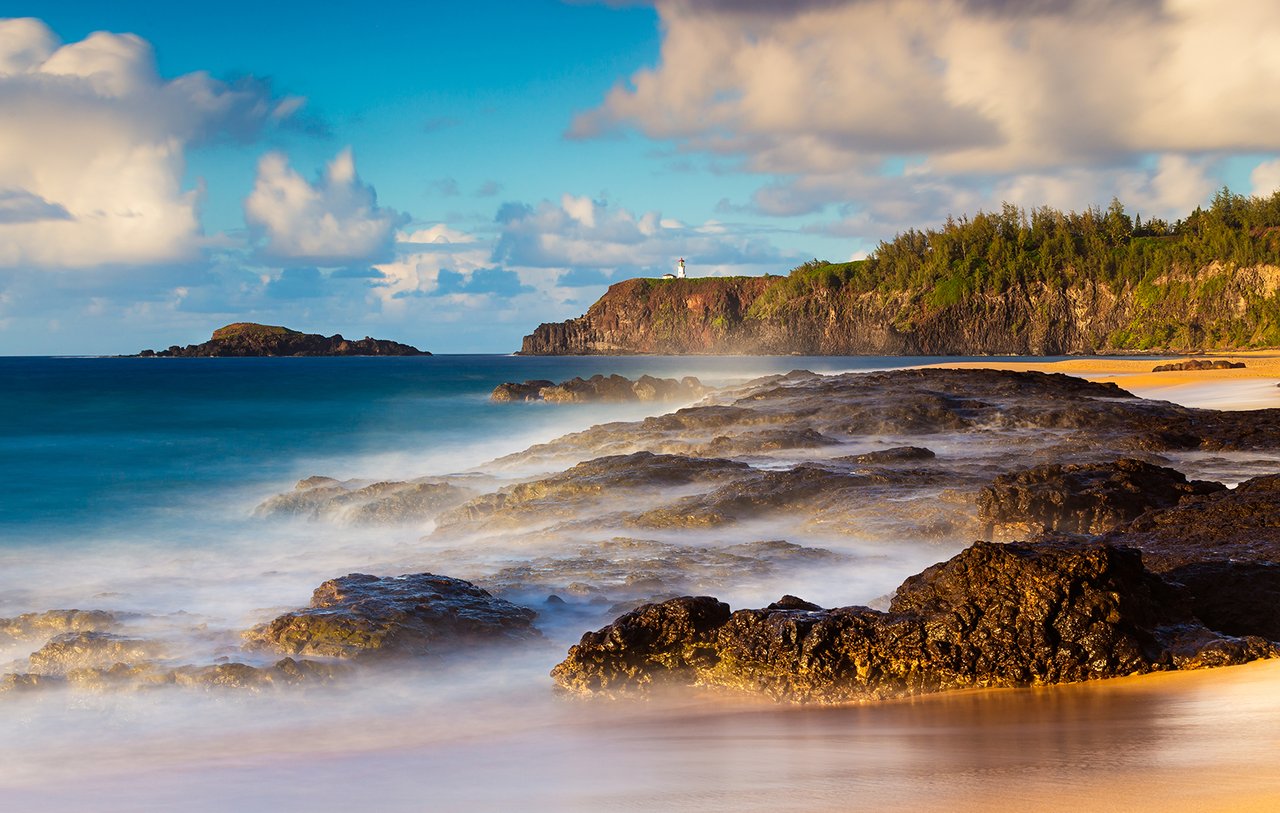
Bluffside living in Princeville is about elevation, exposure, and drama. These homes sit above the ocean and the Hanalei valley system, so the main draw is typically the view rather than direct step-out beach access.
From the bluff, daily life can feel expansive. Depending on the location, sightlines may include Hanalei Bay, Bali Hai, Mount Makana, and the valley floor. For many buyers, that cinematic quality is exactly what makes bluffside homes stand apart.
The tradeoffs of bluff exposure
Those views come with practical tradeoffs. Bluffside properties are generally more exposed to wind, salt air, and changing coastal conditions than homes on more interior streets.
That exposure affects more than comfort. It can influence maintenance, exterior materials, and how you think about long-term stewardship. In a coastal setting like Princeville, site conditions matter just as much as square footage.
Shoreline access is not the same everywhere
A common misconception is that bluffside living means direct beach living. In Princeville, that is not usually the case. Access to the shoreline often depends on maintained trails and specific entry points rather than a simple walk-out beach at every bluff location.
One example is Kaumumene Trail, also known as Hideaways. Kauaʻi County reports that the trail was repaired and improved with new asphalt stairs and rope railings to support safer shoreline access for residents and visitors.
Ocean use depends on conditions
Another key point for bluffside buyers is that beautiful ocean views do not always mean easy or safe ocean access. Kauaʻi County has repeatedly closed the access gate to Queen’s Bath during hazardous ocean conditions, and county ocean-safety officials have advised against swimming or ocean activity on north-facing shores during dangerous surf periods.
That means the scenery is consistent, but your day-to-day water use may be seasonal and condition-dependent. If you are buying for ocean access, it helps to separate the visual experience from the practical one.
Princeville as a North Shore base
Princeville is relatively self-contained for the North Shore, which is part of its appeal. The Princeville Path runs from Prince Albert Park to the end of Ka Haku Road and is designed for shared use by pedestrians, certain human-powered and hybrid devices, golf carts, and vehicles used by people with disabilities, with a 10 mph limit.
Kauaʻi County also notes that bicycle and pedestrian paths connect neighborhoods to the town center. For you, that can make daily life feel more connected and more convenient, especially compared with less centralized areas on the island.
The county’s general plan also describes Princeville as the North Shore’s primary visitor destination, with hotels and visitor-serving infrastructure tied into broader regional access. In practical terms, Princeville often functions as both a residential community and a resort-oriented hub.
How to compare golf course and bluffside homes
If you are deciding between a fairway property and a bluffside home, the best choice usually comes down to how you want the setting to feel every day.
Golf course homes may suit you if you want:
- Broad open-space views with a softer, greener foreground
- A resort-like environment with a more structured neighborhood feel
- Less emphasis on direct coastal exposure
- A setting where visual scale comes from fairways and landscape design
Bluffside homes may suit you if you want:
- Elevated ocean or valley panoramas
- A more dramatic sense of place
- Strong connection to Princeville’s iconic North Shore scenery
- A property where exposure, view orientation, and site conditions play a larger role
Value factors to watch closely
In Princeville, long-term value is often highly site-specific. Scarcity, views, and governance all matter here, but they do not affect every property equally.
Kauaʻi County’s shoreline and Special Management Area processes show that coastal development remains under active review, while the county’s planning framework emphasizes preserving public views and concentrating development within Princeville rather than expanding urbanization elsewhere on the North Shore. That planning context helps explain why homes with golf-course, bay, valley, or open-space orientation may hold strong lifestyle appeal.
Still, buyers should evaluate each property carefully. A lot’s orientation, the depth of its view corridor, design-review constraints, salt exposure, and dependence on surrounding open space can all shape future enjoyment and resale resilience.
What to look for before you buy
In a market like Princeville, it helps to go beyond the listing photos. You want to understand how the property sits in the larger physical and regulatory setting.
Here are a few smart questions to ask during your search:
- How much of the view is tied to protected open space versus changeable surroundings?
- What design-review rules could affect future exterior updates?
- How exposed is the home to salt air, wind, and coastal weather?
- Is shoreline access nearby maintained infrastructure or more limited?
- Does the property’s value depend more on golf frontage, bluff orientation, or broader neighborhood scarcity?
For buyers considering lots, remodel candidates, or homes where site planning matters, these questions become even more important. In Princeville, small differences in siting can create major differences in lifestyle.
If you are weighing Princeville golf course living against bluffside living, the right answer is usually not about which is better in general. It is about which setting matches your goals, your tolerance for exposure and maintenance, and the kind of North Shore experience you want to wake up to each morning. With the right guidance, you can narrow that choice with clarity and avoid paying for features that do not truly fit how you plan to use the property.
If you want help evaluating Princeville homes, view corridors, or site-specific considerations, Malia Powers and Bruce Whale offer thoughtful, high-touch guidance grounded in local knowledge and technical insight.
FAQs
What is Princeville on Kauai known for?
- Princeville is known as a planned resort-residential community on Kauaʻi’s North Shore, with golf course homes, bluffside properties, condominiums, hotel uses, paths, and views overlooking Hanalei Bay and the surrounding landscape.
What is the difference between golf course and bluffside living in Princeville?
- Golf course living in Princeville usually emphasizes open green space, fairway views, and a resort-style setting, while bluffside living is typically defined by elevated ocean or valley views, greater coastal exposure, and more dramatic scenery.
What should buyers know about Princeville design rules?
- Buyers should know that Princeville has design-review requirements for exterior changes, which are intended to help preserve the community’s appearance, natural beauty, and property values.
Does bluffside living in Princeville mean direct beach access?
- No. Bluffside living in Princeville is usually more about the view than direct beach-to-door access, and shoreline entry often depends on specific maintained trails or access points.
Is Princeville walkable or golf-cart-friendly?
- Princeville includes shared-use paths that connect parts of the community to the town center, which helps it feel more walkable and golf-cart-friendly than many other North Shore areas.
What value factors matter most for Princeville homes?
- The most important value factors often include view orientation, surrounding open space, site exposure to wind and salt air, community design constraints, and how much the property’s appeal depends on protected or changeable adjacent land.