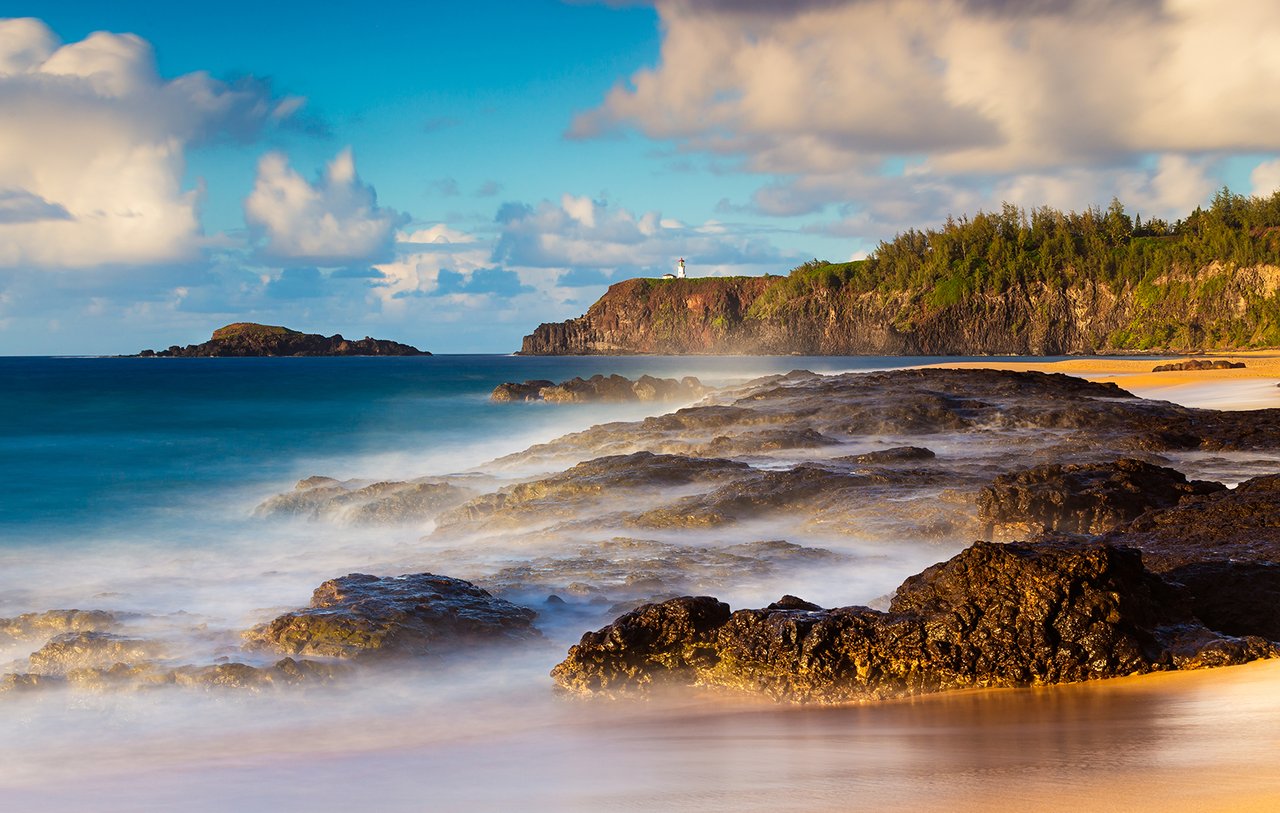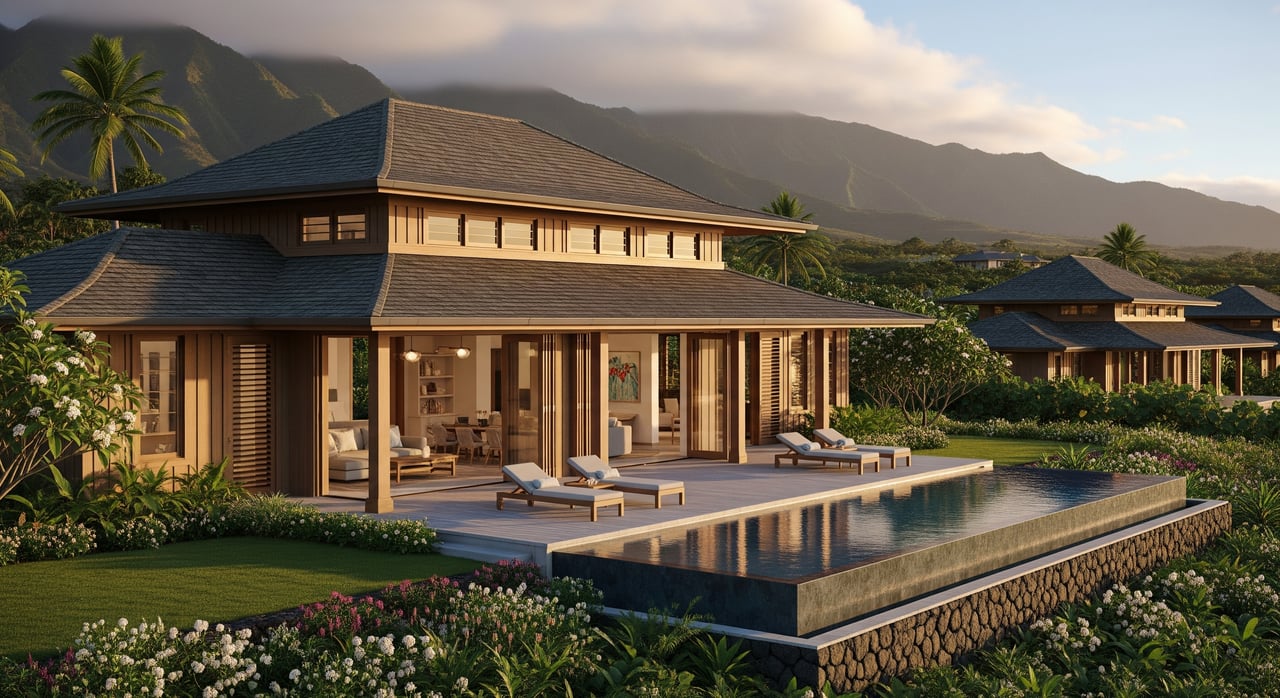
Trying to figure out where to focus your home search in Kalaheo? You have good reason to look here. Kalaheo gives you cooler breezes, more land for the money than many coastal areas, and quick access to Kauai’s south shore. In this guide, you will learn how the town breaks into practical micro-neighborhoods, what tradeoffs to expect, and how to build a smart shortlist before you tour. Let’s dive in.
Quick orientation to Kalaheo
Kalaheo sits inland on Kauai’s south side, west of Koloa and Poipu and south of Lihue. Its modest elevation creates an upcountry feel that is cooler and breezier than the immediate coast. You will find a small commercial core, the expansive Kukuiolono Park and Golf Course, and a mix of residential areas and agricultural parcels.
For many buyers, Kalaheo offers a quieter residential lifestyle with easy reach to beaches and services. If you want views, privacy, and room to garden or play, Kalaheo’s hillsides and acreage can be compelling. If you prefer convenience, the village area places daily errands close by.
Micro-neighborhoods at a glance
Local listing names and subdivision boundaries can vary. Use these functional areas to compare lifestyle, access, and site characteristics.
Kalaheo Village / Town Center
What you will find: Established single-family homes on modest lots with a mix of older residences and select newer builds or renovations. You are near local shops, small markets, and community services. School options should be verified with the Hawaii Department of Education.
Why it works: You can walk or take a short drive to daily needs. This setting suits buyers who want easy access to services and shorter commutes within the south shore.
Tradeoffs: Fewer large view lots and less privacy than hillside or acreage settings.
Drive time snapshot: Among the shortest drives in Kalaheo to reach Kukuiolono, Koloa, and Poipu.
Kukuiolono / Golf-adjacent pockets
What you will find: Mid-sized homes near Kukuiolono Park and the golf course. Some homes enjoy park or fairway outlooks.
Why it works: You get quick access to outdoor recreation and peaceful open space. Neighborhoods tend to feel well kept.
Tradeoffs: Course frontage can carry a view premium. Some areas may have HOA or course-adjacent guidelines to review.
Lifestyle note: Ideal if you want daily walks, golf, or park time without living by the beach.
Upcountry / Hillside / View-lot sector
What you will find: Higher-elevation parcels and ridgelines with panoramic ocean, south shore, or mountain views. Expect larger lots, custom homes, and vacant “view lots” for future builds. Some areas have narrow or unpaved access roads.
Why it works: Cooler breezes, privacy, and signature views are the draw. Lot sizes can be larger compared with coastal options on a per-acre basis.
Tradeoffs: Steeper slopes can increase build and site-prep costs. You will want to understand water, catchment, and septic options, and the drive to daily errands can be a bit longer from some pockets.
Price drivers: Angle and breadth of view, quality of access road, soils and foundation needs, and utility availability.
Edge neighborhoods near Koloa/Poipu
What you will find: Southeast-side areas that feel residential but sit closer to Koloa and Poipu. Homes often trade a bit of distance from the beach for more space and privacy.
Why it works: You get a shorter drive to south-shore beaches, shops, and employment while living outside the tourist core.
Tradeoffs: Proximity to Poipu and Koloa can lift prices relative to more inland Kalaheo settings. Seasonal tourist traffic may affect connecting roads.
Agricultural / Acreage lots and valley parcels
What you will find: Larger rural parcels where you may see small farms, orchards, or raw land. Homes often pair with accessory structures and rural utility setups.
Why it works: Space for horses, gardens, and privacy. Some properties may have future subdivision potential, based on zoning and approvals.
Tradeoffs: Agricultural zoning and limitations, limited utility infrastructure, and added maintenance and permitting steps.
Drive times and daily flow
Kalaheo functions as a central south-shore hub. Actual times vary by address and time of day, so check live maps when you plan. Typical ranges include:
- Kalaheo to Poipu or Koloa: about 10 to 25 minutes.
- Kalaheo to Lihue town or the airport: about 15 to 30 minutes.
- Kalaheo to Kapa‘a or Wailua: about 35 to 60 minutes.
- Kalaheo to Hanalei or Princeville: about 60 to 90 minutes.
If you choose a ridgeline or upcountry home, you may add a few minutes to daily errands in exchange for breezes and views. If you commute at peak times, learn how traffic flows on Kaumualii Highway, also known as State Highway 50.
What drives value in Kalaheo
Several factors shape pricing and long-term value. As you compare properties, weigh these heavily:
- View quality and orientation, including ocean, valley, or mountain outlooks.
- Lot size and usable flat area compared with steep or complex slopes.
- Proximity to Kalaheo Village services and Kukuiolono Park.
- Type of road access, pavement, and who maintains it.
- Utility setup, including County water availability or private catchment and septic.
- Zoning and permitted uses, including short-term rental restrictions.
- Age and condition of structures, and expected island-climate maintenance.
- Natural hazard exposure such as FEMA flood zones and slope or drainage risks.
Due diligence checklist for Kalaheo buyers
Before you write an offer or during your contingency period, confirm the details that matter most on Kauai. Use this list to guide conversations with your agent and the appropriate County and State offices.
Utilities and water
- Confirm the water source. Ask if the property has a County water connection or private catchment or well. The County of Kauai Department of Water can confirm availability.
- Verify sewer availability. Many areas rely on septic or cesspools. Request records and learn what upgrades are required for sale or permits.
Access and roads
- Identify if the road is County maintained, privately maintained, or an easement. Ask who pays and how maintenance is handled.
- Evaluate driveway slope, turnaround space, and emergency access, especially on hillsides.
Soils, grading, and build costs
- For vacant or steep lots, budget for a topographic and basic geotechnical review and discuss likely retention or foundation needs.
- Confirm septic percolation conditions and expected site work.
Flood, tsunami, and slope risk
- Review FEMA flood maps and County tsunami evacuation maps for the exact address. Many inland Kalaheo sites sit outside tsunami inundation zones, but verify for coastal or valley parcels.
- Document drainage patterns, prior erosion, and any slope stability concerns.
Permitting and zoning
- Contact the Kauai County Planning Department to confirm zoning, permitted uses, and any subdivision potential.
- If you plan to build, learn about building permit timelines and submittal requirements with the County’s Building Division and Planning Department.
Septic and environmental
- Obtain recent septic or cesspool inspections and pump records. Check with the Hawaii Department of Health for current wastewater guidelines.
- Confirm any agricultural designations and related use restrictions.
Neighborhood and lifestyle
- Gauge noise near Kaumualii Highway or event activity around Kukuiolono.
- Test broadband and cell service on site if you work from home.
- Ask about nearby short-term rentals and local occupancy patterns.
Schools and services
- Confirm school assignments with the Hawaii Department of Education. Kalaheo Elementary is nearby, and middle or high school catchments should be verified.
- Note distances to grocery stores, medical clinics, and emergency services.
How to build a smart touring shortlist
You can learn a lot about Kalaheo from a single, well-planned tour. Use this simple method to compare areas side by side.
- Define must-haves
- Set a minimum lot size, view preference, commute time range, and required utilities. Decide if you want room to add a cottage, a pool, or farm elements.
- Map properties by category
- Sort listings into the five functional areas: Village, Kukuiolono, Upcountry, Edge near Koloa/Poipu, and Acreage. Note access roads, slope, and orientation.
- Check basics before you go
- For each property, confirm County water availability, sewer or septic status, road type and maintenance, and any FEMA or tsunami map flags.
- Group by your destinations
- Cluster options by drive time to work, school, and grocery. Prioritize six to ten addresses, ideally two to three from each preferred category, so you can feel the tradeoffs in an afternoon.
- Observe on site
- Listen for road noise, feel wind exposure, and stand where a future lanai might go. Test cell and internet speed. Note driveway slope, neighbor sight lines, and any standing water after rain.
Which Kalaheo fits you?
Relocating family
- Village or golf-adjacent pockets provide quick access to services and recreation. Verify school assignments, and plan your commute during peak hours to confirm timing.
Value-focused buyer seeking land or a single-family home
- Upcountry hillsides and select acreage lots can offer more land for the money than coastal resort areas. Budget for site development such as grading, water collection, and septic.
Breeze and view seeker
- Look to the ridgelines and higher elevation parcels. Expect premiums for established ocean or mountain views and allow for driveway and structural costs.
Beach and resort proximity
- Edge neighborhoods on the Kalaheo side of Koloa and Poipu balance larger lots with shorter drives to beaches and dining. Prices can reflect that convenience.
Ready to explore Kalaheo?
If Kalaheo feels like the right fit, you are not alone. Many buyers choose it for the balance of space, breezes, and south-shore access. If you want help narrowing your shortlist or evaluating build potential, connect with Malia Powers and Bruce Whale for a Kauai Concierge Consultation. You will get local insight, practical design and permitting guidance, and a plan to tour with confidence.
FAQs
What are the main micro-neighborhoods in Kalaheo for buyers to compare?
- Village/Town Center, Kukuiolono/golf-adjacent pockets, Upcountry/Hillside view-lot areas, Edge neighborhoods near Koloa/Poipu, and Agricultural or acreage parcels.
How long is the drive from Kalaheo to Poipu and Koloa during typical hours?
- Plan for roughly 10 to 25 minutes depending on your exact Kalaheo location and time of day, and confirm with live mapping.
What utilities should I confirm before buying a Kalaheo property?
- Verify water source, sewer or septic status, and internet options, and learn who maintains the access road and what that costs.
Are hillside or ridgeline lots in Kalaheo more expensive to build on?
- They can be due to grading, retaining, foundation needs, and septic design, so budget for topographic and soils reviews early.
Is most of Kalaheo inside a tsunami zone or FEMA flood area?
- Many inland sites are outside tsunami inundation zones, but you should review FEMA flood maps and County tsunami maps for the exact address.
Are short-term rentals typically allowed in Kalaheo neighborhoods?
- Rules depend on zoning and permits, so confirm with Kauai County Planning and verify the parcel’s status and allowed uses.
What drives home values in Kalaheo compared with coastal resort areas?
- Views, lot size and usability, proximity to services and parks, quality of road and utilities, zoning, and hazard exposure are the major value factors.
How do I verify which public schools serve a specific Kalaheo address?
- Check assignments directly with the Hawaii Department of Education, and confirm any transportation or program details with the district.